
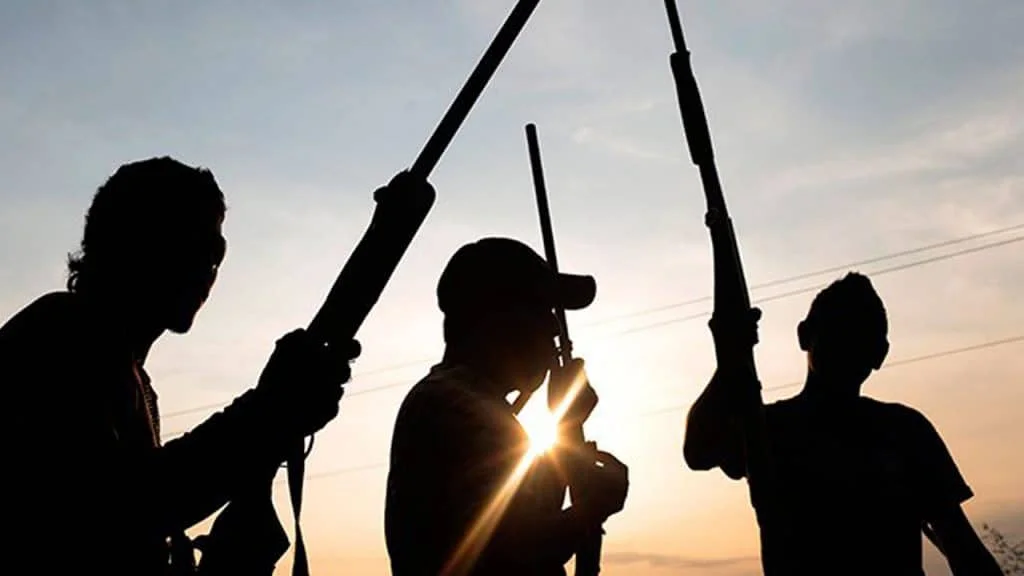

Nigeria is once again confronted by troubling waves of insecurity that threaten national cohesion, economic stability, and public confidence in governance. From banditry and kidnapping in parts of the North-West and North-Central, to persistent terrorism in the North-East, secessionist tensions in the South-East, cult-related violence in the South-South, and urban criminality across major cities, the pattern is clear: insecurity has evolved, diversified, and deepened. Addressing it requires more than sporadic military operations or reactive policing. It demands an all-inclusive, well-coordinated national response anchored on justice, development, intelligence, and citizen participation.
For too long, Nigeria’s security strategy has leaned heavily on kinetic responses. While the bravery and sacrifice of our armed forces and security agencies must be acknowledged, force alone cannot resolve the complex drivers of insecurity. Terror groups regenerate when communities feel alienated. Banditry thrives where poverty and ungoverned spaces persist. Kidnapping becomes lucrative where unemployment and weak law enforcement intersect. A purely militaristic approach, without addressing root causes, risks becoming an endless cycle of confrontation.
An all-inclusive approach begins with intelligence-driven security architecture. Modern security challenges require technology, data integration, and inter-agency collaboration. Nigeria must strengthen intelligence sharing among the military, police, Department of State Services, civil defence, and local vigilante groups. Fragmented operations and inter-agency rivalry only embolden criminals. A unified command structure for specific high-risk zones, backed by clear accountability mechanisms, would enhance operational efficiency.
Equally critical is community engagement. Security cannot succeed without the trust and cooperation of the people. Community policing, long discussed but unevenly implemented, should be institutionalized nationwide. Traditional rulers, religious leaders, youth organizations, and civil society groups must be incorporated into structured security dialogues. Citizens are often the first to notice suspicious activities; empowering them through confidential reporting channels and protection frameworks can significantly improve early warning systems.
However, inclusion must go beyond security actors. Economic inclusion is indispensable. Nigeria’s growing youth population, if left unemployed and disillusioned, becomes vulnerable to recruitment by criminal networks and extremist groups. Federal and state governments must prioritize job creation, vocational training, and small-scale enterprise support, particularly in rural and conflict-prone regions. Social investment programmes should be transparent, targeted, and sustained, not politicized or seasonal.
Education also plays a foundational role. Millions of out-of-school children, especially in the North, represent a ticking time bomb. An aggressive national campaign to expand access to quality education; formal and vocational, will gradually undercut the ideological and economic appeal of violent groups. Education must promote civic values, tolerance, and national unity to counter narratives of division and extremism.
Furthermore, the justice system must be strengthened. Delayed prosecutions, overcrowded correctional facilities, and occasional jailbreaks erode public trust. Swift and transparent trials of terrorism, banditry, and kidnapping cases would send a strong deterrent signal. Security sector reform must include improved welfare for personnel, modern equipment, and strict sanctions for misconduct. Allegations of human rights abuses, if ignored, only deepen resentment and fuel cycles of violence.
Border management is another urgent priority. Nigeria’s porous borders facilitate the influx of arms and the movement of criminal elements across West Africa. Enhanced border surveillance technology, regional intelligence cooperation, and effective implementation of ECOWAS security frameworks are essential. Insecurity today is transnational; our response must be equally collaborative.
Political leadership also bears responsibility. Divisive rhetoric, ethnic profiling, and partisan exploitation of security crises weaken national unity. Leaders at all levels must speak and act in ways that foster inclusion and shared purpose. Security should never be reduced to a political talking point; it is a collective national interest.
Importantly, media and information management must be handled responsibly. While the press has a duty to report truthfully, sensationalism can amplify fear and inadvertently serve the propaganda goals of criminal groups. Balanced, conflict-sensitive reporting contributes to stability without suppressing accountability.
The time has come for Nigeria to move from reactive crisis management to proactive conflict prevention. This requires consistent funding of security reforms, measurable performance benchmarks, and citizen oversight. It also requires political courage to address long-standing grievances, whether related to resource control, marginalization, or governance deficits—through dialogue and constitutional means.
Insecurity is not merely a security sector problem; it is a national development challenge. An all-inclusive approach recognizes that soldiers, police officers, teachers, entrepreneurs, community leaders, and policymakers all have roles to play. Only through coordinated action, grounded in justice and opportunity, can Nigeria stem the rising tide of violence and reclaim the peace necessary for sustainable progress.
Nigeria has overcome daunting trials in the past. With unity of purpose and inclusive strategy, it can do so again.
Copyright © EaglesWatchOnline 2023 All rights reserved.
This material, and other digital content on this website, may not be reproduced, published, broadcast, rewritten or redistributed in whole or in part without written permission from EaglesWatchOnline.
